Best Cat Breeds for New Owners: Care Guide
First-time owners can build a practical shortlist by checking cat history, grooming, veterinary support, budget, and daily care before breed labels.
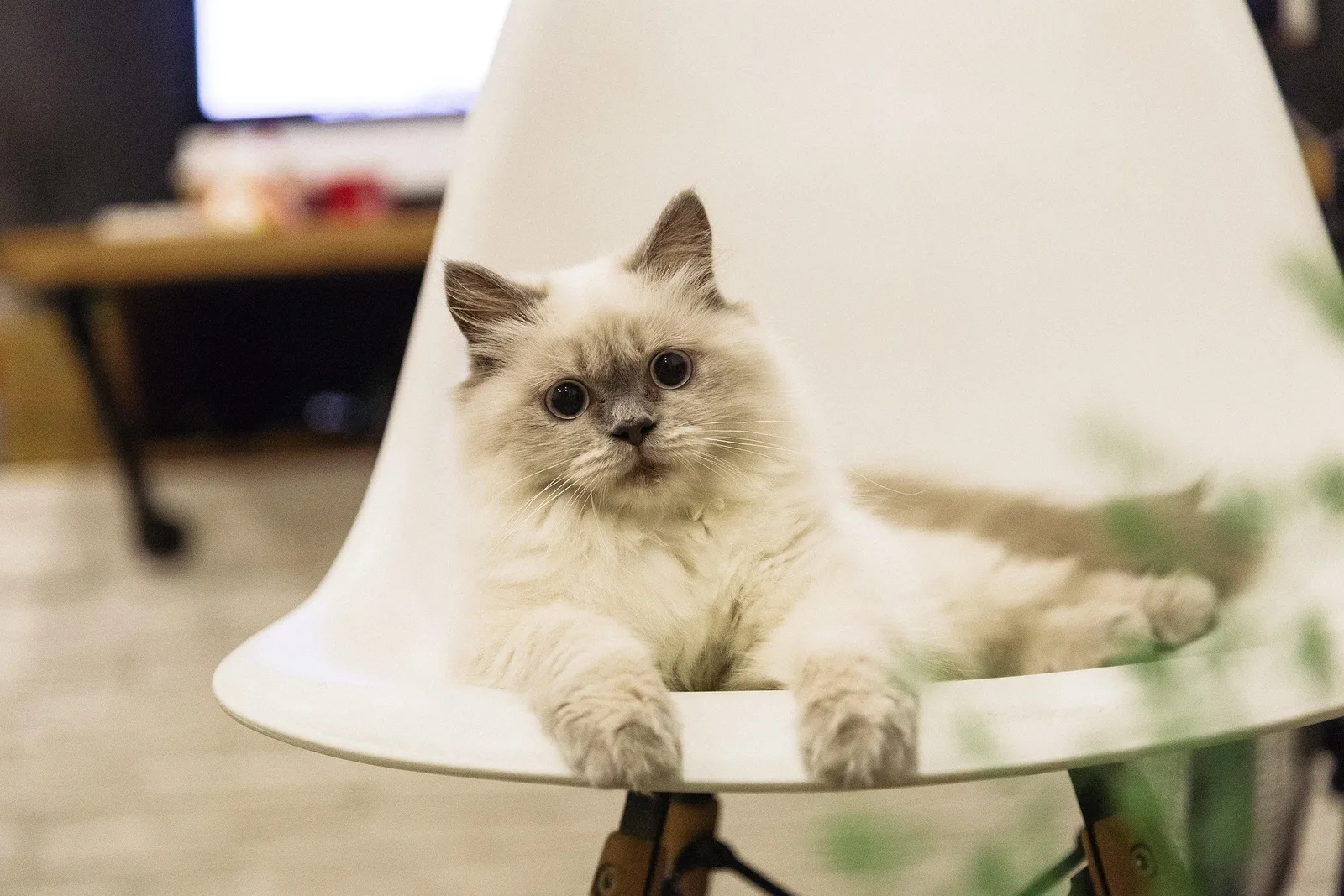
The short answer
For a first cat, choose a care plan before you choose a breed. Ask about the individual cat's handling preferences, grooming routine, medical records, play habits, litter routine, and the support available from the adoption or breeding source, then decide whether your time and budget can meet those needs.
Quick plan
- Make time, money, veterinary support, and daily care part of the first decision.
- Ask about handling, play, grooming, litter, and health history for the individual cat.
- Use breed grooming descriptions to plan questions, not to promise an easy first experience.
Define the support you can offer
First-time ownership includes food, litter, enrichment, transport, preventive and unexpected veterinary care, and time for daily observation. Cats Protection recommends considering the environment, time, money, and the individual character you are ready to support.
An adult cat may have a clearer known routine than a kitten, but neither age nor breed can guarantee a simple adjustment. Ask what support the source can provide after adoption or purchase.
Turn care descriptions into an interview list
CFA describes British Shorthair grooming as usually manageable with a weekly quick comb and Ragdoll grooming as at least weekly. Bengal and Abyssinian have short coats, yet shorter grooming does not erase their individual play, interaction, or health needs.
Ask how this cat responds to brushing, nails, carriers, visitors, food changes, and veterinary handling. The answers are more useful than a generic beginner-friendly label.
Make the first-week plan specific
Prepare a quiet room, separated food, water, litter, rest, scratching, and play resources, plus a veterinary contact and emergency plan. Keep a record of eating, toileting, play, and behavior so changes are easier to notice.
A first-owner recommendation is not a guarantee of low cost, easy handling, health, or behavior. Choose only when the individual cat's history and your welfare plan fit together.