Best Cat Breeds for Families With Children
Families with children need individual history, adult supervision, quiet retreats, gradual introductions, and realistic care—not a child-friendly breed promise.
The short answer
For a family with children, look first for an individual cat with a positive, known history around children whose ages and household noise resemble your own. Adults must supervise interactions, teach children to let the cat approach, and provide quiet, elevated retreat space where the cat can always leave.
Quick plan
- Choose from known individual history, not a blanket child-friendly breed label.
- Supervise every child-cat interaction and let the cat start or end contact.
- Give the cat quiet, elevated retreat space and introduce changes gradually.
Choose an individual history that fits your household
Cats Protection advises families to consider a cat's individual character and positive experience with children. For young children, a calm adult cat with known history may be a better conversation than assuming a kitten will be easier.
Children's ages, noise, visitors, existing pets, and the cat's response to touch all matter. No breed can guarantee that a cat enjoys handling, unpredictable movement, or a busy household.
Use breed tendencies only to plan questions
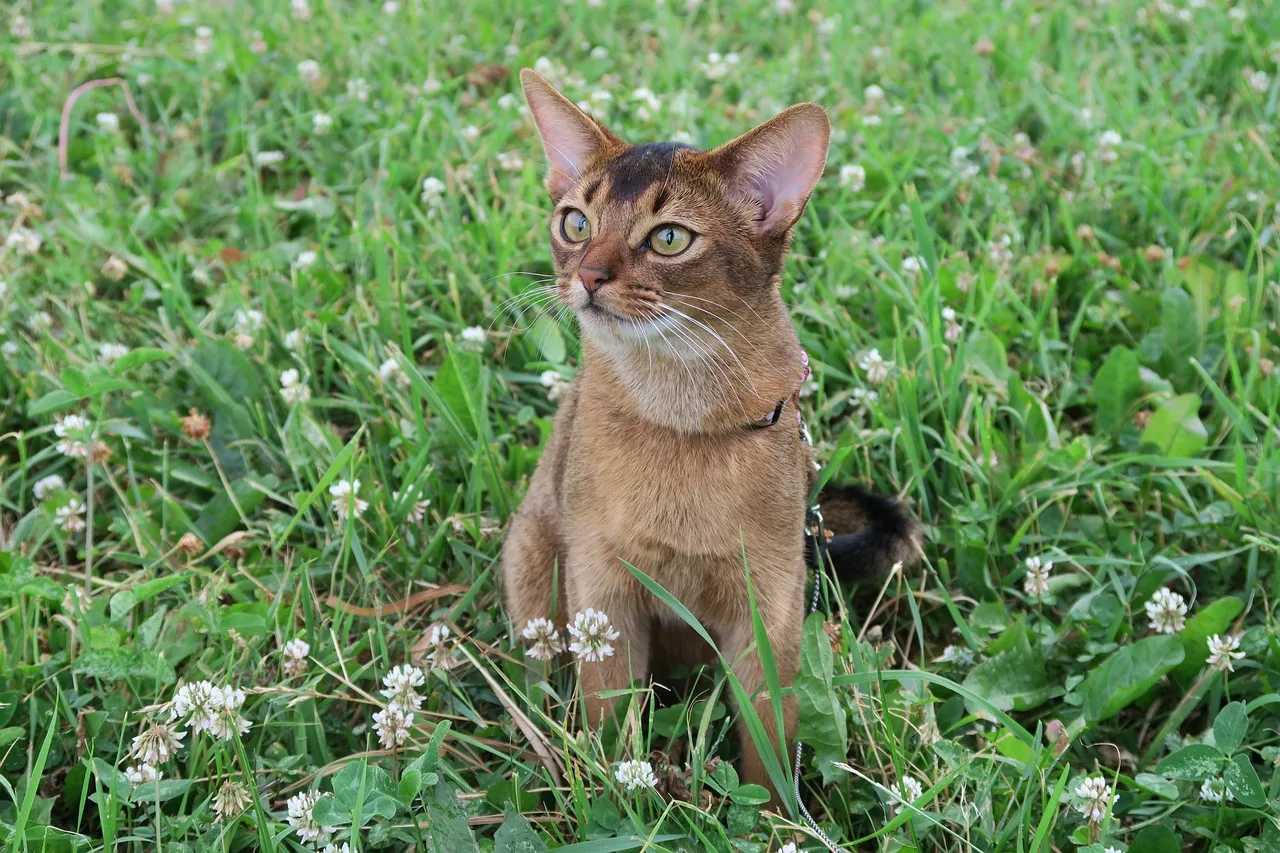
Ragdoll, British Shorthair, Maine Coon, Bengal, and Abyssinian can be candidates to ask a source about, but association descriptions do not make any individual cat child-friendly. Ask for concrete history with children, visitors, cats, and dogs.
Observe the individual cat's body language and preferred touch. A cat that moves away, hides, or declines handling needs that choice respected, even when a child wants more contact.
Set supervision and retreat-space rules
An adult should supervise young children and teach them to sit quietly, use gentle hands, and let the cat approach. Provide a quiet room, hiding places, high routes, and separate resources so the cat can rest away from family activity.
A family recommendation is not a guarantee of safety, behavior, health, or companionship. Use gradual introductions, individual assessment, and veterinary or behavior support when concerns appear.